
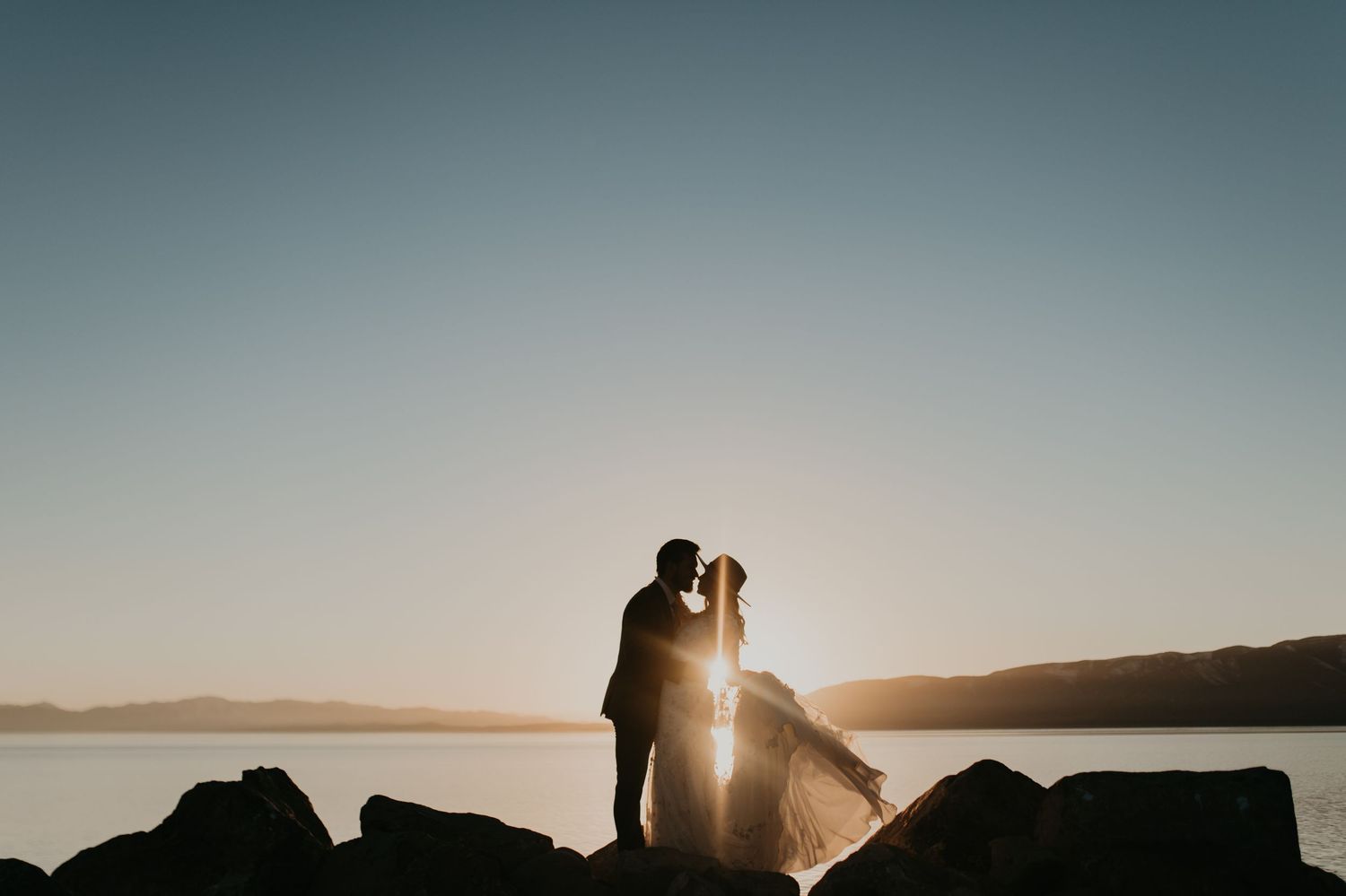
Everything you need to know about elopement permits in national parks, forests, beaches, castles, and more — especially if you're dreaming of Italy, Scotland, or England.
So, you’ve decided to elope — heck yes! You’ve got the vision: epic landscapes, storybook vibes, and a day that’s all about the two of you. But then comes the not-so-sexy question that tends to sneak in…
“Wait… do we need a permit for this?”
Short answer? Sometimes.
Long answer? Don’t worry — I’ve got you.
Permits can feel confusing and overwhelming (especially if you’re planning from another country), but they’re honestly just a part of protecting the places we love and ensuring your day goes off without a hitch. Think of them as the VIP pass that gives you exclusive access and peace of mind.
Let’s break it all down, from dreamy Italian villas to misty Scottish cliffs and ancient English forests — with examples, pro tips, and zero stress.
What Even Is an Elopement Permit?
A permit is basically permission to legally hold a ceremony or take professional photos in a public or protected space — like a national park, historical site, or public beach. Some places require one only if you’re bringing a photographer or setting up anything formal, while others are stricter about group size, noise, or access.
There are usually two kinds of permits:
Special Use Permit – for holding a ceremony, even if it’s just the two of you.
Photography Permit – for professional photo sessions in protected/public areas.
Depending on where you're eloping, you may need one, both, or none.
Do You Always Need One?
Nope! Many small, low-key elopements don’t require any permits — especially if we’re staying light, nimble, and respectful. That said, if you’re eloping in a national park, a historical site, or a private venue, it’s always best to double-check early in the planning process. And don’t stress — I help all my couples figure this part out.
Now let’s zoom in on some of my favorite elopement destinations and what to expect:
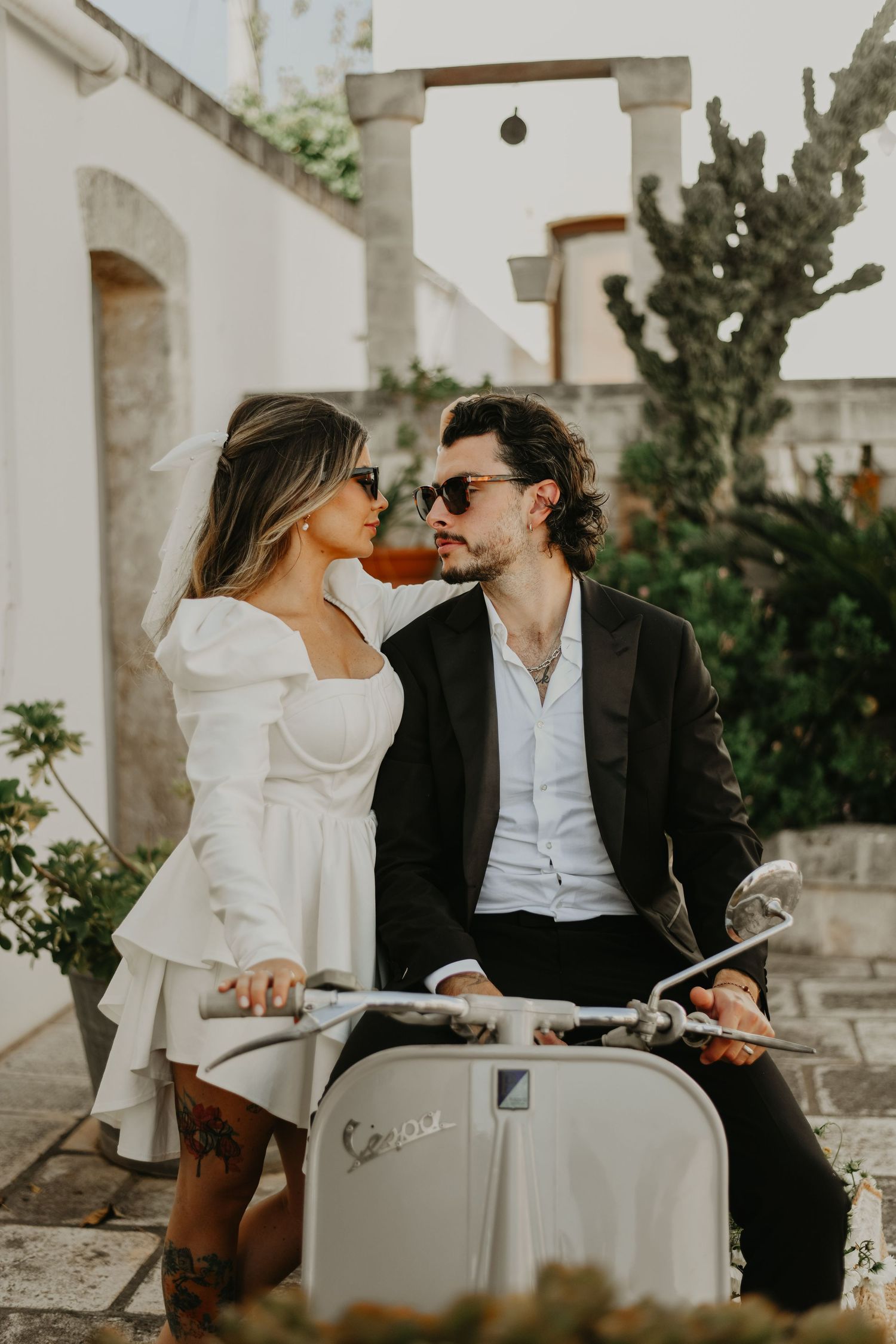
Eloping in Italy: What You Need to Know
Italy is a literal dream for elopements — cliffside Amalfi views, Tuscan hills, Venetian gondolas, ancient ruins, fairy-lit villas… you get it.
Do you need a permit in Italy?
It depends on the location.
Public spaces (like Rome’s Colosseum, Venice canals, or Florence’s Piazzas): Often require a permit for photography and sometimes even for private ceremonies. These can be strictly enforced and pricey.
Historic landmarks or ruins: Usually governed by local municipalities or heritage boards — permissions vary.
Villas, vineyards, or countryside estates: If you’re staying at a private property, you typically don’t need a permit — just the owner’s blessing.
How to Obtain a Permit
Identify the Municipality: Determine the local municipality (comune) governing your chosen location.
Contact Local Authorities: Reach out to the local town hall or tourism office to inquire about permit requirements.
Prepare Documentation: Be ready to provide identification, details of your ceremony, and any other requested documents.
Pay Applicable Fees: Permit fees can vary; for example, a location permit might cost around $100.
Pro tip:
In Italy, a “symbolic ceremony” is often easier and more romantic than trying to legally marry there (which requires residency, translations, and lots of paperwork). I always recommend couples take care of the legal part at home and treat their Italian elopement as the real celebration.
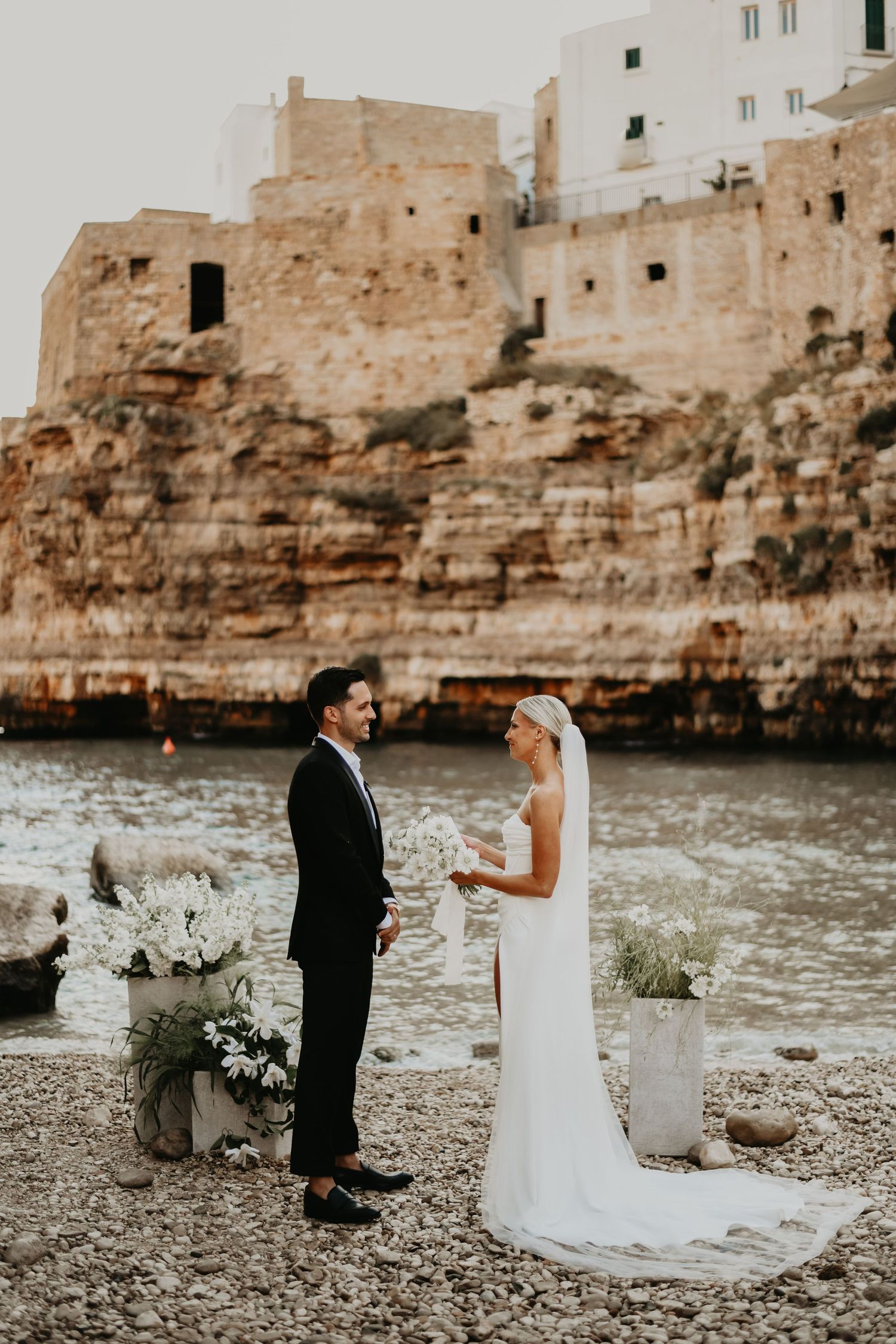
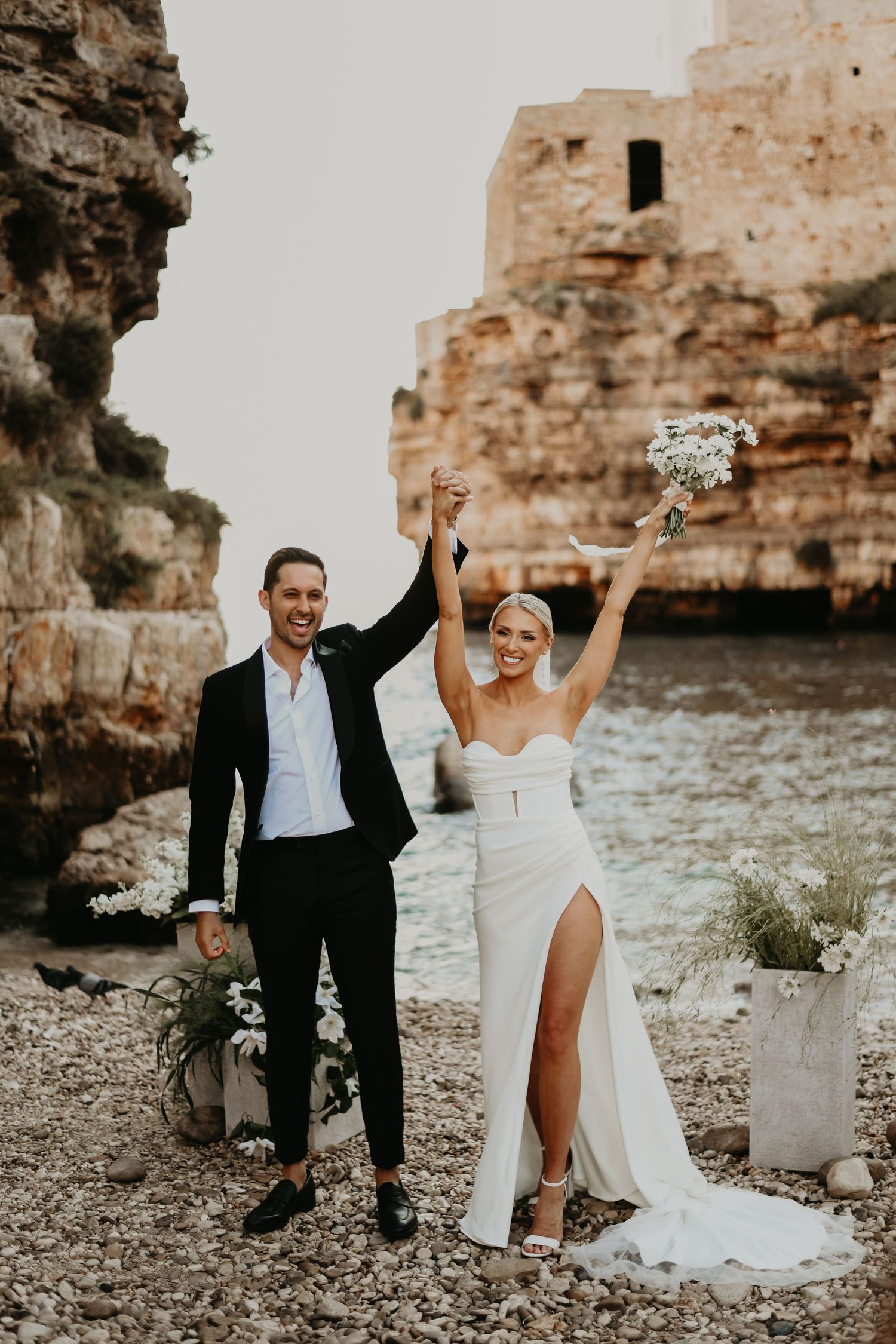
Scotland: Wild, Dreamy, and Surprisingly Easy
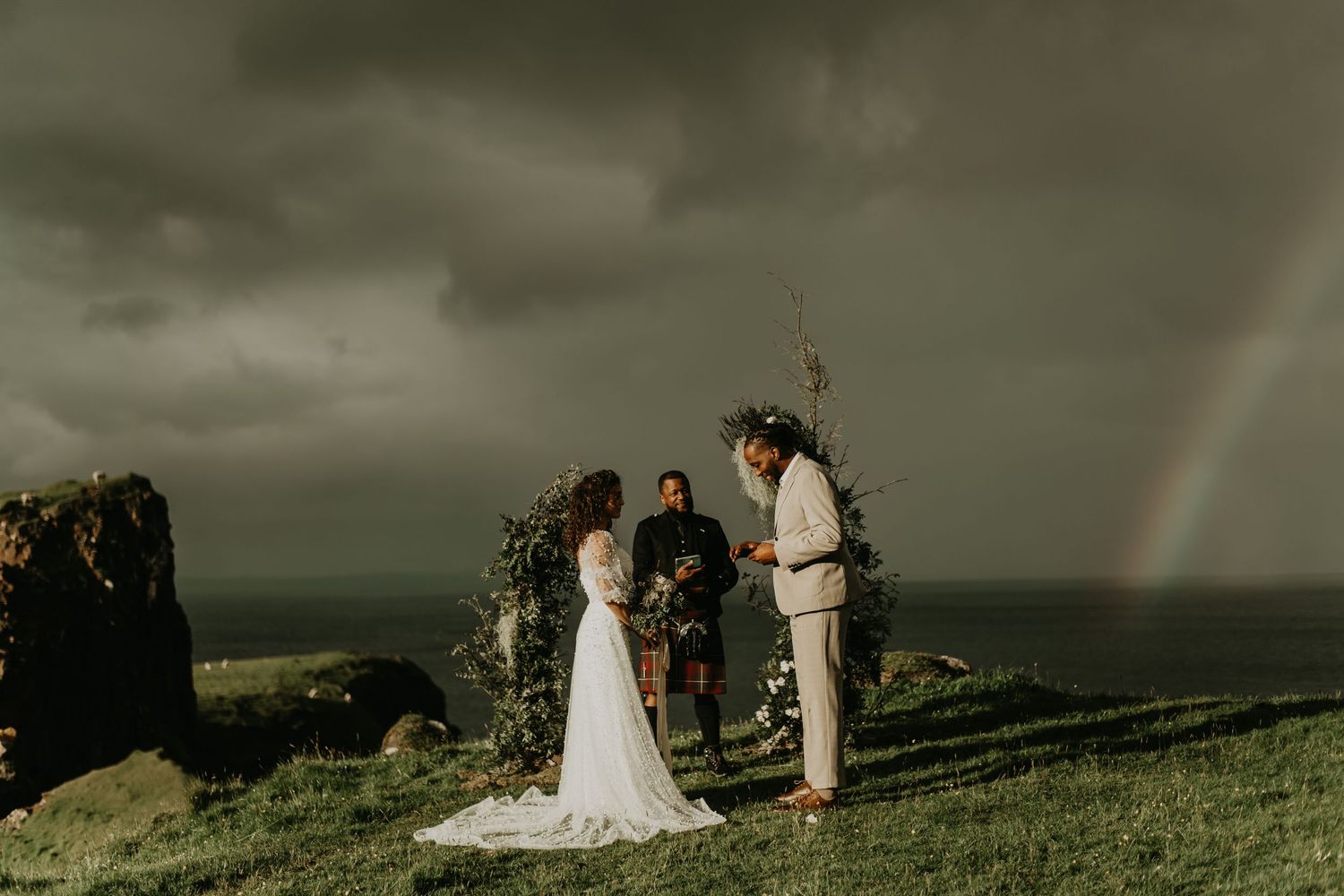
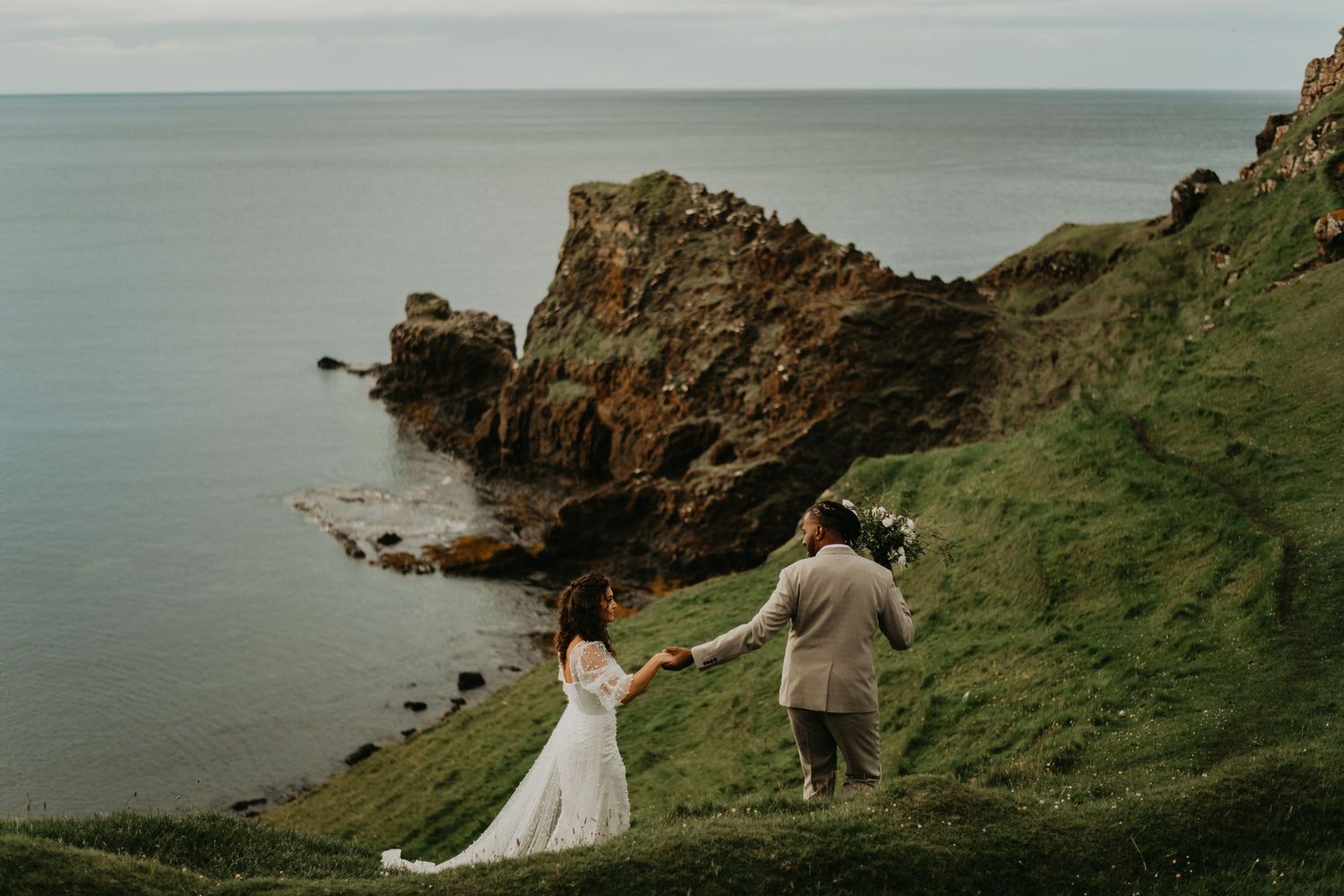
Scotland is one of the most magical — and easiest — countries to elope in. With ancient castles, moody lochs, rugged coastline, and open-right-to-roam laws, it’s tailor-made for adventure lovers.
Do you need a permit in Scotland?
Usually… no!
Scotland’s public access laws (known as the “Right to Roam”) allow people to respectfully access most public and private land for recreational use — including elopements.
National parks (like Glencoe or Cairngorms): Don’t usually require permits for small elopements or photoshoots — as long as you're respectful, leave no trace, and don’t bring a big crowd or setup.
Castles: Vary! Some are free public ruins you can access anytime. Others are preserved historical sites or privately owned and may require booking.
Isle of Skye or Highland estates: Some popular locations are on private land — you’ll need permission, but it’s usually informal (and I help coordinate that).
How to Proceed
- Choose Your Location: Select a spot that resonates with you, whether it's the Isle of Skye, Glencoe, or Cairngorms National Park.
- Inform Local Authorities: While not mandatory, notifying the local council or landowner is a respectful gesture.
- Adhere to Leave No Trace Principles: Ensure your elopement doesn't negatively impact the environment.
Pro tip:
If you’re bringing guests, we’ll want to be mindful of access, parking, and impact. The Scottish weather is also part of the adventure — so let’s always build in a cozy Plan B.
Eloping in England: Fairy Tales Meet Formalities
England is all lush gardens, foggy cliffs, ancient woodlands, and stately manors. Eloping here feels like walking through a Brontë novel or a romantic period film.
Do you need a permit in England?
In many cases, yes — especially if the location is protected or owned by the National Trust or English Heritage.
Public parks and historical ruins: Usually require a special photography or ceremony permit, especially for locations like the Lake District, Yorkshire Moors, or coastal cliffs.
Castles & manors: Most are privately owned and available for hire — some offer intimate elopement packages.
Forests and beaches: Can vary depending on whether the land is public, council-owned, or part of the National Trust.
How to Obtain a Permit
- Identify the Governing Body: Determine if your chosen location is managed by the National Trust, English Heritage, or a local council.
- Contact the Appropriate Authority: Reach out to inquire about permit requirements, availability, and associated fees.
- Submit Necessary Documentation: Provide details about your ceremony, including date, time, number of attendees, and any equipment you'll use.
- Pay Applicable Fees: Fees can vary widely depending on the location and nature of your event.
Pro tip:
England is big on preserving history and public land — so it’s extra important to follow regulations. I help all my couples get the info, contacts, and approvals they need.
What if we skip the permit?
In some cases, we might get lucky. But many parks and sites do enforce rules — and I don’t want your day interrupted by a fine or a ranger telling us to pack it up. Let’s do it right.
How long does it take to get a permit?
It varies — anywhere from 2 weeks to 2 months. The sooner we know your dream location, the better I can help you lock in the details.
Will you help us figure all of this out?
Yes! This is a huge part of what I do for every couple. I research, confirm, and guide you through the permit process (or find beautiful alternatives that don’t require one).
At the end of the day, permits aren’t there to complicate your adventure — they exist to protect the places we love and help keep your elopement stress-free and seamless.
Whether you’re saying your vows on a Tuscan hillside, next to a Scottish waterfall, or under a crumbling English abbey, I’ll help you make it happen legally, beautifully, and effortlessly. I’m not just your photographer — I’m your location scout, logistics guide, and adventure sidekick.
Let’s make your dream elopement happen — the right way.